Jackie Pullinger, A Light in the City of Darkness
Jackie Pullinger, A Light in the City of Darkness
[Originally published November 26, 2025]
Old Hong Kong has long been an intriguing place. The Kowloon District, a peninsula north of the island, is a site originally built on earlier military fortifications, including a fort in 1810 and a military outpost from the Song dynasty. After the first Opium War with Britain, the Chinese constructed a wall in 1847 around a 6.5 acre plot to create a garrison town and military outpost for the Qing dynasty. Remaining under Chinese control, the settlement housed administrative offices of the district until 1899, when the Chinese troops and officials abandoned the Walled City, as it was called, leaving the area without any governance or police protection. The feared Chinese Triad gangs then moved in, bringing crimes and illegal activities that flourished: illegal construction, opium production and trafficking, prostitution, unlicensed dentistry and medical clinics, and a place to purchase dog meat to sell in the markets.
By the century's turn, this lawless enclave had become the most densely populated area on earth, housing close to 40,000 people. The buildings were so close together that little or no sunlight reached the ground floor, leaving a dark, damp maze of narrow paths. Electrical wires hung precariously above walkways and through windows and doorways, and open sewer ran in the gutters. The misery of its inhabitants was overwhelming.
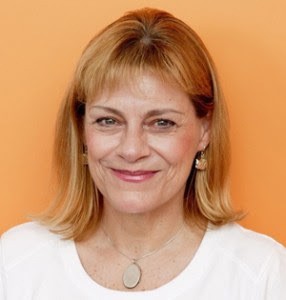
In 1944 Jaqueline Bryony Lucy Pullinger and her twin sister Gillian were was born in Croydon, a large town in South London, into a devout Christian family. From girlhood, she wanted to be a missionary when she grew up. She was musically gifted and, after high school, earned her degree from the Royal College of Music in oboe-performance. She was poised for a career with a professional orchestra. But Jackie kept sensing the tug of God upon her life toward missions. In 1967, she sought advice from a minister in Shoreditch, Pastor Richard Tomson, who prayed with her and suggested she go to Hong Kong. She was twenty-one years old and had $100 in Hong Kong dollars in her hand.
When Jackie stepped off the boat, she knew no one, had no place to live, and no mission agency to support her. But she did have a powerful God who had called her to serve Him. She made her way to the poorest part of Hong Kong, the Walled City of Kowloon, and was appalled at what she found there. As she picked her way among the century-old filthy alleys, the stench of open drains, the sights of drug peddlers, and the sounds of hopelessness broke her heart. The darkness seemed impenetrable. How could one young woman become light among such suffering? Jackie sensed the Lord quieting her heart. She was to touch one person at a time, and to share His love with each one. So she obeyed.
Jackie found a job as a music teacher at a primary school within the Walled City. As she walked to and from work every day, she saw homeless street sleepers, trafficked girls of all ages, drug addicts and dealers, and gangs with their leaders. They were watching her too. She knew God's love was desperately needed, so she started a small youth club. At first, a few men came and the gangs destroyed the club. But some of the men came back. They gave their lives to Jesus and began to share His love with others. Then girls came to find Christ. A Triad gang leader, Ah Ping, was transformed when he trusted Jesus as Savior, and he soon became a leader of the youth group.
Jackie would slip quietly beside those who were sleeping on the streets, or in drugged stupors, or soliciting prostitution, and only whisper a few simple words in Cantonese, ‘Jesus loves you.’ That truth changed lives. So many who lived in the Walled City believed no one cared for them, having been rejected or abandoned by their families. She used to say, “If they could not understand the words about Jesus, then we Christians were to show them what He was like by the way we lived.” And as she spoke of Jesus Christ, brutal gangs were converted, prostitutes retired from their trade, and heroin junkies found new power that freed them from the bondage of drug addiction.
After a number of years, Jackie's positive work inside the Walled City came to the attention of the Hong Kong government which, in grateful response, donated land for her next project. She opened the St. Stephens Society, a ministry that began to operate schools, medical clinics, and two rehabilitation homes; one for men, and the other for women. Each person had a story of redemption and were now leaving the drugs, prostitution, and other illegal activity. More than 200 new believers, once enslaved, were now free in Jesus, lifting their voices with gratitude and power. A church community was born, one that in turn planted other churches in the Philippines and many other countries. These were churches known for reaching people trapped in addiction and crime, and for bringing freedom through the transforming love of Christ.
So many of the residents were aided by Christian businessmen, helping the church provide retraining and employment for those rescued from trafficking. Small manufacturing work came first, piece-rate jobs for the men and women in the houses, helping them take first steps toward stability and dignity. Today, that business employs more than 500 people in Kowloon, Hong Kong; Cebu, Philippines; Kathmandu, Nepal; and Nairobi, Kenya. Its workforce is made up of former victims of trafficking who are now professionally trained video editors serving the real estate media market. What started with small hourly wage jobs has grown into an enterprise that provides dignity, livelihood, and hope for hundreds of families.
Meanwhile, twenty-seven years after Jackie arrived in Hong Kong, the crumbling six-acre slum neared its end. The Walled City was torn down in 1993 and replaced by the sprawling greens of the beautiful Kowloon Walled City Park. Today, in that very space that once was such a wretched squalor of human suffering and captivity, the light of Christ’s love has overwhelmed the darkness and become a place of beauty and freedom and hope.
And Jackie? Today, she still lives in Hong Kong at 81 years old, continuing her work. In 2007, she chronicled her journey in her book, Chasing the Dragon. This month, we celebrate the redeeming work of God in Christ, and the privilege of joining God in "reconciling the world" to Himself. We stand in honor of grace-bearers, like Jackie Pullinger, who live their gratitude by the words of Matthew 10:39: “Whoever finds their life will lose it, and whoever loses their life for my sake will find it.”
-Karen O'Dell Bullock
By the century's turn, this lawless enclave had become the most densely populated area on earth, housing close to 40,000 people. The buildings were so close together that little or no sunlight reached the ground floor, leaving a dark, damp maze of narrow paths. Electrical wires hung precariously above walkways and through windows and doorways, and open sewer ran in the gutters. The misery of its inhabitants was overwhelming.
In 1944 Jaqueline Bryony Lucy Pullinger and her twin sister Gillian were was born in Croydon, a large town in South London, into a devout Christian family. From girlhood, she wanted to be a missionary when she grew up. She was musically gifted and, after high school, earned her degree from the Royal College of Music in oboe-performance. She was poised for a career with a professional orchestra. But Jackie kept sensing the tug of God upon her life toward missions. In 1967, she sought advice from a minister in Shoreditch, Pastor Richard Tomson, who prayed with her and suggested she go to Hong Kong. She was twenty-one years old and had $100 in Hong Kong dollars in her hand.
When Jackie stepped off the boat, she knew no one, had no place to live, and no mission agency to support her. But she did have a powerful God who had called her to serve Him. She made her way to the poorest part of Hong Kong, the Walled City of Kowloon, and was appalled at what she found there. As she picked her way among the century-old filthy alleys, the stench of open drains, the sights of drug peddlers, and the sounds of hopelessness broke her heart. The darkness seemed impenetrable. How could one young woman become light among such suffering? Jackie sensed the Lord quieting her heart. She was to touch one person at a time, and to share His love with each one. So she obeyed.
Jackie found a job as a music teacher at a primary school within the Walled City. As she walked to and from work every day, she saw homeless street sleepers, trafficked girls of all ages, drug addicts and dealers, and gangs with their leaders. They were watching her too. She knew God's love was desperately needed, so she started a small youth club. At first, a few men came and the gangs destroyed the club. But some of the men came back. They gave their lives to Jesus and began to share His love with others. Then girls came to find Christ. A Triad gang leader, Ah Ping, was transformed when he trusted Jesus as Savior, and he soon became a leader of the youth group.
Jackie would slip quietly beside those who were sleeping on the streets, or in drugged stupors, or soliciting prostitution, and only whisper a few simple words in Cantonese, ‘Jesus loves you.’ That truth changed lives. So many who lived in the Walled City believed no one cared for them, having been rejected or abandoned by their families. She used to say, “If they could not understand the words about Jesus, then we Christians were to show them what He was like by the way we lived.” And as she spoke of Jesus Christ, brutal gangs were converted, prostitutes retired from their trade, and heroin junkies found new power that freed them from the bondage of drug addiction.
After a number of years, Jackie's positive work inside the Walled City came to the attention of the Hong Kong government which, in grateful response, donated land for her next project. She opened the St. Stephens Society, a ministry that began to operate schools, medical clinics, and two rehabilitation homes; one for men, and the other for women. Each person had a story of redemption and were now leaving the drugs, prostitution, and other illegal activity. More than 200 new believers, once enslaved, were now free in Jesus, lifting their voices with gratitude and power. A church community was born, one that in turn planted other churches in the Philippines and many other countries. These were churches known for reaching people trapped in addiction and crime, and for bringing freedom through the transforming love of Christ.
So many of the residents were aided by Christian businessmen, helping the church provide retraining and employment for those rescued from trafficking. Small manufacturing work came first, piece-rate jobs for the men and women in the houses, helping them take first steps toward stability and dignity. Today, that business employs more than 500 people in Kowloon, Hong Kong; Cebu, Philippines; Kathmandu, Nepal; and Nairobi, Kenya. Its workforce is made up of former victims of trafficking who are now professionally trained video editors serving the real estate media market. What started with small hourly wage jobs has grown into an enterprise that provides dignity, livelihood, and hope for hundreds of families.
Meanwhile, twenty-seven years after Jackie arrived in Hong Kong, the crumbling six-acre slum neared its end. The Walled City was torn down in 1993 and replaced by the sprawling greens of the beautiful Kowloon Walled City Park. Today, in that very space that once was such a wretched squalor of human suffering and captivity, the light of Christ’s love has overwhelmed the darkness and become a place of beauty and freedom and hope.
And Jackie? Today, she still lives in Hong Kong at 81 years old, continuing her work. In 2007, she chronicled her journey in her book, Chasing the Dragon. This month, we celebrate the redeeming work of God in Christ, and the privilege of joining God in "reconciling the world" to Himself. We stand in honor of grace-bearers, like Jackie Pullinger, who live their gratitude by the words of Matthew 10:39: “Whoever finds their life will lose it, and whoever loses their life for my sake will find it.”
-Karen O'Dell Bullock
Posted in PeaceWeavers